Using Exhibition Marketing to Validate Features Before Development
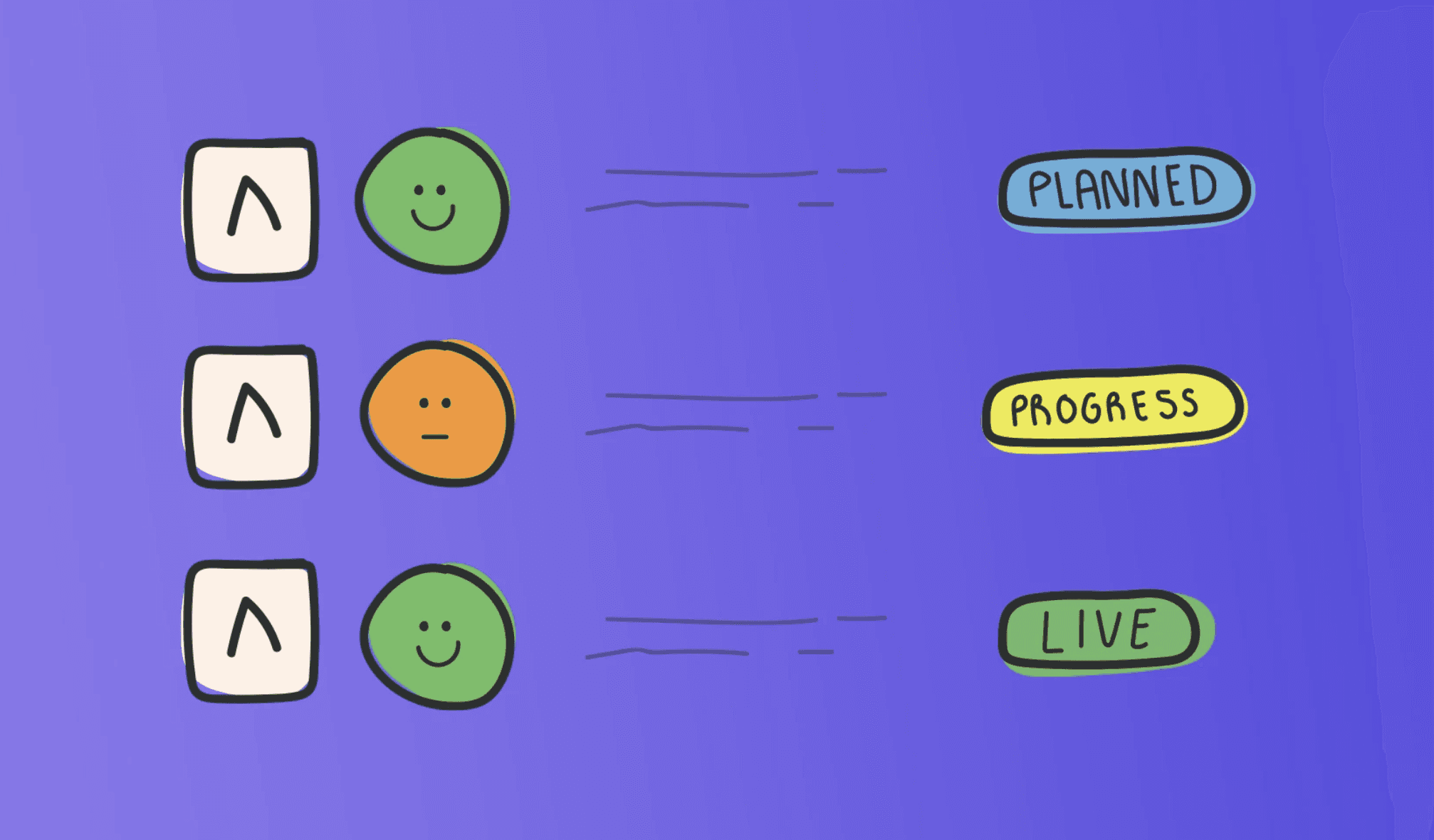
Tired of pouring developer resources into features no one wants?
Every product manager has been there. You pour months of development time into a shiny new feature, only to see… crickets when you launch it.
If your boss asks why you built something no one cares about, you're forced to dig into that budget and explain.
It doesn't have to be this way.
Exhibition marketing lets you gather real customer feedback before building ANYTHING.
Using modular display systems and a tactical exhibition strategy, you can validate product features long before you write your first line of code. It's all about testing prototypes in person with real buyers and actually listening to what they say.
Here's how to do it.
Outline
-
Why Exhibition Marketing Is Perfect For Feature Validation
-
How Modular Booth Systems Make Testing Easier
-
The Step-By-Step Validation Process
-
How To Leverage Booth Feedback Into Product Decisions
Why Exhibition Marketing Is Perfect For Feature Validation
Let's start with why exhibitions are the perfect medium for validating new product features.
Walk into any trade show and you're put directly in front of dozens, hundreds, sometimes thousands of buyers who are interested in what you sell.
Better yet… These aren't random people sucked into a marketing event. Most attendees are actual decision makers who you can collect valuable product feedback from.
According to industry research, 92% of trade show attendees visit exhibits to learn about new products and services. Your booth is literally dripping with people who want to give you feedback on what you're building.
That's extremely valuable for product teams.
But it gets even better. Booth exhibitors who work with specialized exhibition stand builders can create configurable modular displays that can be easily re-arranged to showcase new prototypes at every event.
You know those online product surveys with a 3% response rate? Suddenly none of that matters. With exhibitions you're collecting in-person product feedback from excited customers.
You can literally walk potential buyers through your prototypes and ask targeted questions about specific features. If they love it, you know you're onto a winner. If not… well, you can pivot before wasting time and money building out the wrong things.
Boom. Magic.
How Modular Booth Systems Make Testing Easier
Let's dig into how modular booths make validating features a breeze.
Traditional exhibition stands are linear. Build it once, use it for one event. But feature testing isn't linear. You'll need to change your display, move demo stations around and test dozens of different scenarios.
Modular booths allow you to configure your display so you can:
-
Re-purpose the layout for different validation tests
-
Move demo stations around to test different workflows
-
Expand or scale down your booth based on the event size
-
Re-use core components at every trade show to cut costs
When it comes to testing features and gathering validation data, nothing is set in stone. You might want to test an updated checkout flow at one show. Then test a new dashboard screen at the next.
With a modular booth system you can swap out which features you're testing in minutes. Not hours or days. Minutes.
One product team treated every exhibition booth as a live testing lab. They considered the booth itself the "experiment" and expo attendees were "test subjects".
The thing is…
Booth design has a huge impact on the quality of feedback you get. Strategic booth layouts with designated "discussion stations" lead to more honest and productive conversations with visitors.
The Step-By-Step Validation Process
Enough secrets. You want the framework. Below is a proven process product teams can follow for validating features before they go into full development.
Determine What You Want To Validate
Start with a clear objective for what you want to test before the event. Write down the features you're validating and what questions you need answered.
Your objectives should include questions like:
-
Does this feature solve a pain point for our customers?
-
Are buyers willing to pay more for this capability?
-
Is the UI simple enough for new customers?
Create A Low-Fidelity Prototype
Full fledged products aren't necessary. Mockups, wireframes, models or even simple posters that visualize the concept will do.
Just make sure it's something you can show to trade show visitors that allows them to give you meaningful feedback.
Design Your Booth With Validation In Mind
When you set up your modular booth keep experimentation top of mind. Create standalone "validation stations" that focus on one aspect of your prototype. Ensure there's ample space around each station for private conversations.
Booths that feel cramped and overcrowded won't get honest feedback. People are more than happy to tell you what they think if you give them the space and opportunity.
Gather Structured Feedback
Ok, now it's time to talk to people.
As you're walking visitors through your prototype encourage them to provide feedback at each station. But don't leave it up to chance. Have team members stationed at each station wielding feedback forms.
Try to keep surveys to 3-5 questions max. You already have tons of qualitative data from the conversations. Quantify your data with a few simple yes / no questions.
The Center for Exhibition Industry Research reports 81% of trade show attendees have buying authority. In other words, the people you're collecting feedback from can actually affect your sales numbers.
Priceless.
Review, Decide, and Repeat
After the exhibition, review your feedback and identify patterns. What features got rave reviews? Which stations caused confusion? Was there excitement around your concept *Use this information to decide:
-
Build it – the feature validated well and there's buyer interest
-
Iterate on it – the concept is there but needs refinement
-
Don't build it – market doesn't care and you're wasting time
How To Turn Booth Feedback Into Product Decisions
Gathering booth feedback is great. But you'll get little value if you don't know how to apply what you learn to your product.
Organize your feedback into themes. Sort similar comments together. Find trends in the feedback you receive. If you hear the same thing from ten different people over two trade shows... you need to listen.
All feedback isn't created equal. Learn how to sort valuable feedback from the noise.
Just because you receive feedback doesn't mean you have to act on it. Product decisions should support your product roadmap and business objectives. If features you're validating repeatedly receive positive feedback at every exhibition, move them up your development queue.
Another pro tip – follow up with fair booth visitors. Send emails explaining how their feedback contributed to the decision making process. You'll turn casual trade show visitors into lifelong brand ambassadors.
Bringing It All Together
So there you have it. Now you know how to validate product features before spending valuable developer time building them.
Here's a quick recap:
-
Identify the exact features you want to validate
-
Create simple prototypes that visualize the concept
-
Strategically design your booth to encourage discussions
-
Collect structured data from qualified buyers
-
Let the feedback dictate what gets built
Stop guessing what features your customers want. Start testing your assumptions with real buyers at trade shows.