How AI is Transforming Payroll: Opportunities & Risks for Modern Businesses

In today’s rapidly evolving business landscape, artificial intelligence (AI) is revolutionizing operations across industries. One area seeing significant transformation is payroll. Traditionally, payroll processes have been labor-intensive, prone to errors, and time-consuming. AI is now reshaping how businesses manage employee compensation, offering both remarkable opportunities and new challenges. Understanding these changes is essential for business leaders who want to stay competitive and compliant.
The Opportunities of AI in Payroll
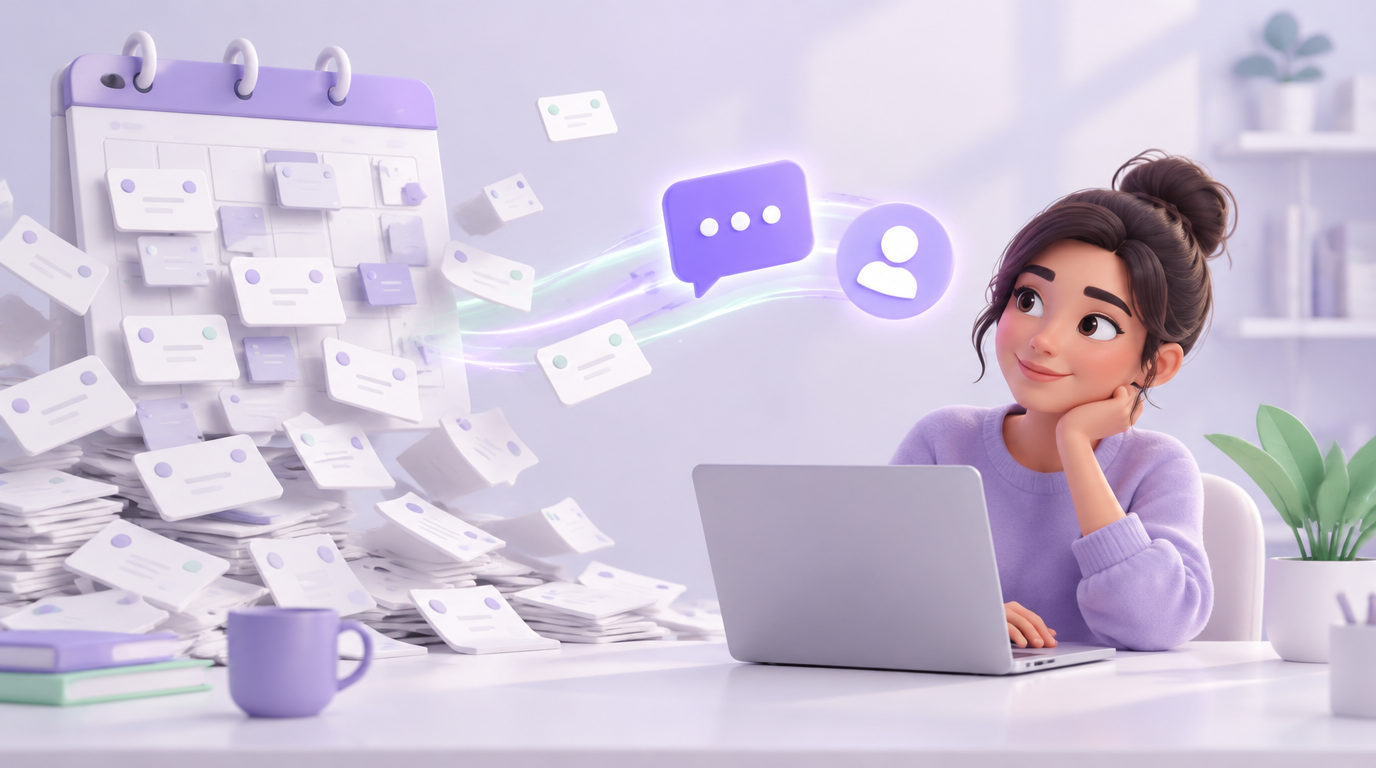
AI-powered payroll systems bring unprecedented efficiency to payroll management. Manual payroll processing often involves repetitive data entry, calculations for taxes and deductions, and cross-checking for compliance. With AI, these tasks can be automated, reducing human error and freeing HR teams to focus on strategic activities. AI algorithms can accurately calculate wages, overtime, bonuses, and deductions based on real-time data. This ensures that employees are paid correctly and on time, improving overall satisfaction and retention.
Beyond accuracy, AI enhances payroll forecasting. By analyzing historical payroll data, AI systems can predict payroll costs, optimize cash flow, and help businesses make informed financial decisions. For instance, companies can model how changes in staffing, wages, or overtime will impact monthly payroll expenses. This predictive capability allows organizations to plan more effectively and avoid surprises during busy payroll cycles.
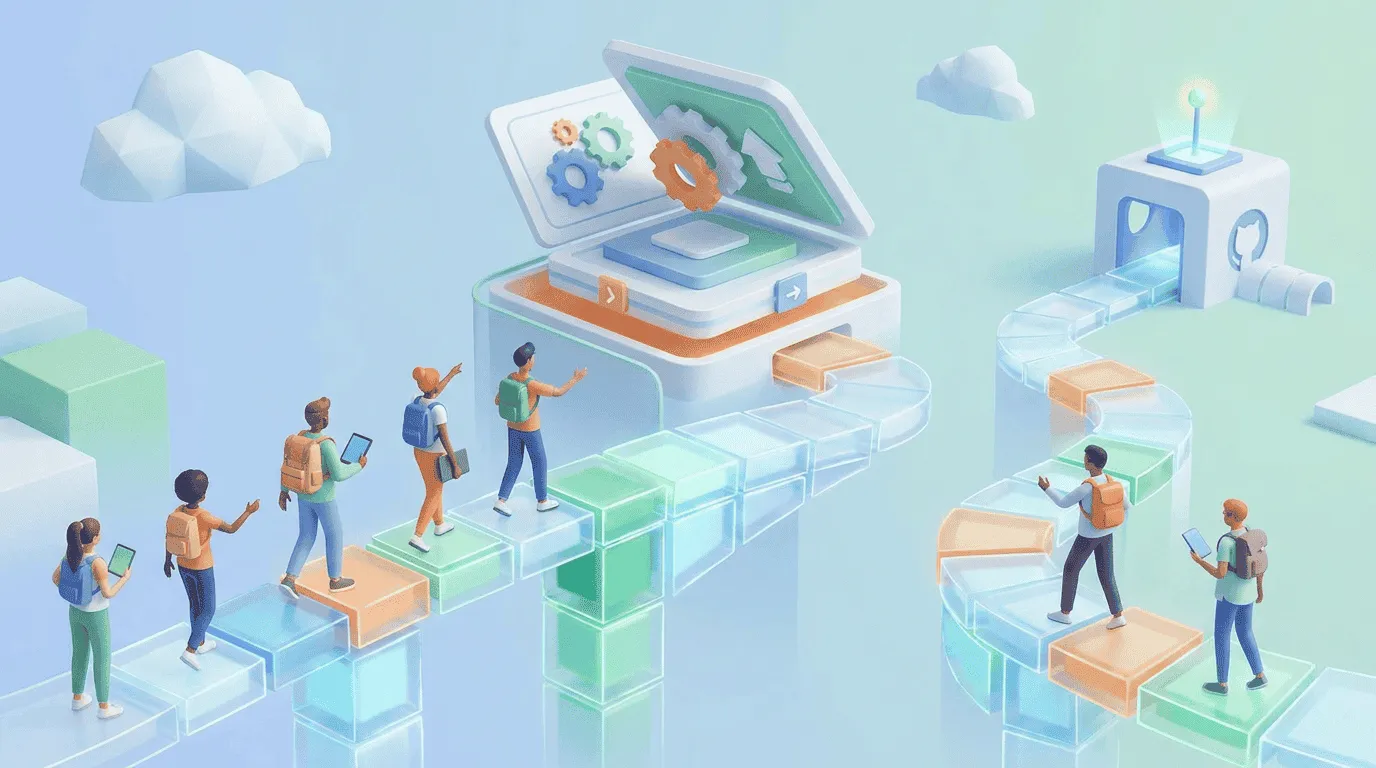
Another significant advantage of AI in payroll is its integration with broader HR and financial systems. AI-driven platforms can seamlessly interact with time-tracking tools, expense management software, and benefits administration systems. This integrated approach streamlines payroll processes, reduces duplicate entries, and ensures data consistency across departments. Small and medium-sized businesses, in particular, can benefit from affordable, AI-powered payroll solutions that were once only available to large enterprises.
AI also enables advanced payroll services like instant paycheck generation and real-time employee access to earnings information. With AI, employees can view a paycheck example before it’s issued, providing transparency and reducing questions to HR departments. Some AI tools even allow employees to access digital pay stubs instantly, which is particularly useful in gig economy roles or for remote teams. By offering self-service options, businesses can reduce administrative burdens while empowering employees with greater control over their financial information.
Emerging Use Cases: AI and Pay Stub Generators
One practical application of AI in payroll is the automation of pay stub generation. AI-powered pay stub generators can automatically produce accurate, compliant pay stubs for employees in various formats. This not only saves HR teams hours of manual work but also ensures that all payroll documents meet regulatory requirements. For businesses managing multiple payroll schedules or locations, this technology ensures consistency and reliability, reducing compliance risks and improving employee satisfaction.
Risks and Challenges of AI in Payroll
Despite its advantages, AI in payroll introduces new risks that businesses must address. One of the most significant concerns is data security. Payroll systems contain highly sensitive personal and financial information. AI platforms, particularly those that operate in the cloud, can be vulnerable to cyberattacks, data breaches, or misuse if not properly secured. Companies must implement robust security protocols, including encryption, access controls, and regular security audits, to protect employee data.
Bias is another potential challenge. AI systems rely on historical data to make predictions and automate decisions. If the underlying data reflects past inequalities or errors, AI tools can inadvertently perpetuate these issues. For example, biased algorithms might miscalculate overtime, bonuses, or deductions for certain groups of employees. HR and payroll managers must monitor AI outputs carefully and regularly review algorithms for fairness and accuracy.
Compliance is also an area of concern. Payroll regulations vary widely by jurisdiction, and AI systems must keep pace with changing tax laws, labor regulations, and reporting requirements. Businesses using AI-driven payroll solutions should ensure the platform is regularly updated and that staff remain trained on compliance standards. Failing to maintain regulatory adherence can result in costly penalties, audits, or employee disputes.
Finally, there is the risk of over-reliance on AI. While AI can automate many payroll functions, human oversight remains essential. Complex scenarios, exceptions, and employee inquiries often require judgment that AI cannot replicate. Businesses should balance automation with human expertise, ensuring that payroll teams remain actively involved in reviewing and validating outputs.
Preparing for an AI-Driven Payroll Future
To maximize the benefits of AI in payroll while minimizing risks, businesses should adopt a strategic approach. Start by selecting AI tools that integrate well with existing HR and financial systems. Prioritize solutions with strong security measures, user-friendly interfaces, and reliable vendor support. Training payroll staff to work alongside AI systems is also crucial; employees need to understand how to interpret AI-generated insights, review automated calculations, and intervene when necessary.
Monitoring and auditing AI outputs regularly is another best practice. Businesses should establish clear procedures for validating payroll calculations, reviewing generated pay stubs, and ensuring compliance with labor laws. By maintaining a combination of automated efficiency and human oversight, organizations can harness AI’s potential without compromising accuracy, fairness, or security.
Conclusion
AI is fundamentally reshaping payroll, providing modern businesses with tools to enhance efficiency, accuracy, and employee satisfaction. From predictive payroll forecasting to AI-powered pay stub generators, the opportunities are significant. At the same time, companies must remain vigilant about security, compliance, and fairness, recognizing that AI is a powerful aid but not a replacement for human judgment.
By thoughtfully integrating AI into payroll processes, businesses can not only streamline operations but also position themselves for sustainable growth in an increasingly competitive environment. With the right tools, training, and oversight, AI can transform payroll from a cumbersome administrative task into a strategic advantage.